How Crown Reduction Can Improve a Tree’s Size, Shape and Manageability
A mature tree can be an attractive and valuable feature of a garden, but its canopy may eventually become too large for its surroundings. Branches can begin to dominate the available space, extend towards nearby structures or place unnecessary strain on weakened parts of the tree.
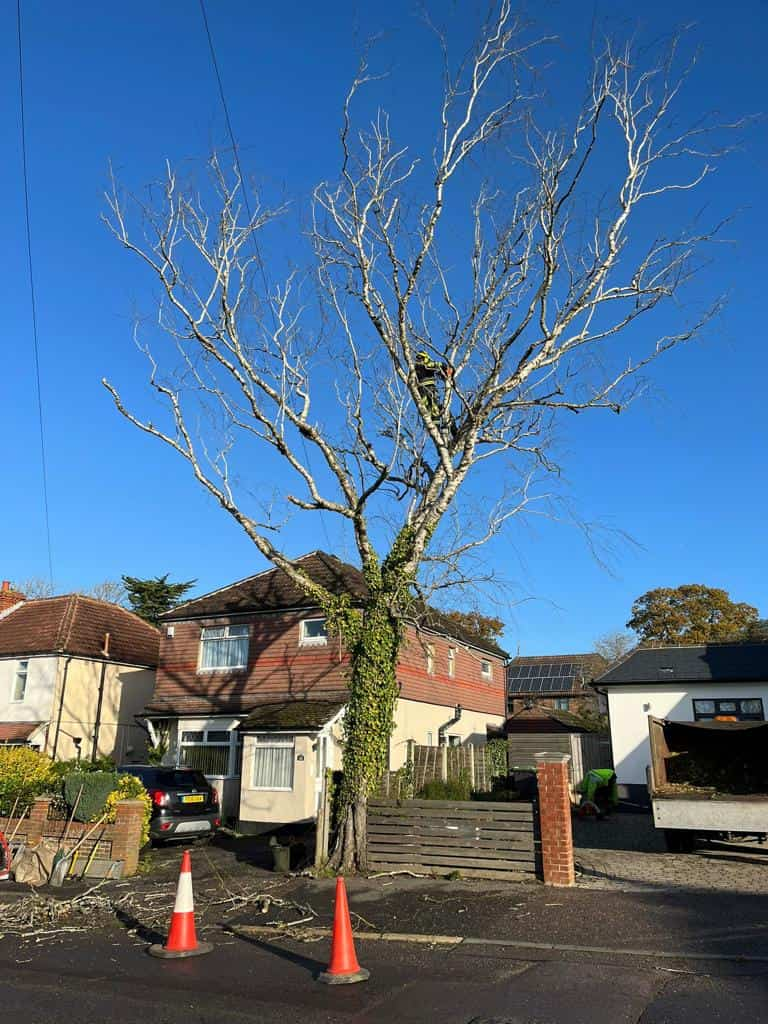
Crown reduction is a skilled pruning technique that decreases the height or spread of a canopy while retaining its natural shape. Rather than removing branches indiscriminately, a tree surgeon selects suitable growth points and makes carefully positioned cuts. Here are seven reasons property owners in Sherston, Gloucestershire, may wish to consider this service.
1. The Canopy Has Outgrown Its Available Space
Trees sometimes become too large for the gardens in which they are growing. Their branches may extend over paths, driveways, roofs or neighbouring boundaries, making the surrounding space more difficult to use.
A proportionate crown reduction can bring excessive growth under control without automatically requiring the tree to be removed. The amount of pruning should always reflect the tree’s species, age, condition and ability to respond.
2. Large Branches Are Becoming Difficult to Manage
Long, heavy limbs place considerable leverage on their attachment points. If a branch has a weak union, previous damage or uneven weight distribution, excessive extension may make it more vulnerable.
Reducing selected branches can decrease their end weight and improve the overall balance of the canopy. This work requires careful assessment, as removing too much growth can create additional stress rather than resolving the original concern.
3. The Crown Has Become Unbalanced
A tree may develop an uneven shape because of competition for light, earlier pruning, storm damage or restricted growing space. One side of the canopy can become heavier or extend much further than the other.
Crown reduction can help restore a more balanced form by shortening carefully chosen branches. The objective is not to make every part perfectly symmetrical, but to create a canopy that is better proportioned and suited to its position.
4. Branches Are Getting Too Close to the Property
Branches do not need to touch a building before they become a concern. Growth close to roof coverings, gutters, windows or walls can create unwanted contact as the canopy moves in windy weather.
Selective reduction can establish more practical clearance while retaining the tree’s main structure. A professional tree surgeon will consider how the branches are likely to regrow so that the work provides a meaningful result rather than a short-lived gap.
5. More Light Is Needed in the Garden
A broad, dense canopy can cast extensive shade over lawns, planting areas and outdoor seating spaces. Crown reduction may improve light levels by decreasing the canopy’s overall spread.
However, reduction is not the same as crown thinning. The correct technique depends on whether the main issue is excessive size, dense internal growth or low branches. A professional assessment helps identify which approach is most appropriate.
6. Previous Pruning Has Produced Excessive Regrowth
Poorly positioned or severe cuts can stimulate clusters of fast-growing shoots. These shoots may create a dense, untidy canopy and can sometimes have weaker attachments than the original branches.
A planned crown reduction can begin restoring a more suitable structure by selecting and shortening appropriate growth. Corrective work may need to be managed gradually, particularly if the tree has been heavily cut in the past.
7. You Want to Retain the Tree in a More Suitable Form
When a healthy tree has become too large, removal is not always the only option. Crown reduction may allow it to remain as part of the garden while making its size more compatible with the surrounding space.
Retaining an established tree preserves its visual contribution, screening and seasonal interest. The work must still respect the tree’s natural growth pattern; not every species responds well to substantial reduction.
What Does Professional Crown Reduction Involve?
Before pruning begins, the tree should be assessed to determine its condition, structure and surroundings. The tree surgeon can then establish how much reduction is suitable and which branches should be shortened.
Professional crown reduction generally involves:
- Selecting appropriate branch unions as finishing points
- Reducing height, spread or both in measured proportions
- Retaining a balanced and natural-looking outline
- Avoiding unnecessary large wounds
- Removing damaged or crossing growth where appropriate
- Considering how the tree is likely to respond after pruning
This differs from topping, which removes branches without sufficient regard for structure or suitable growth points. Topping can leave an unnatural appearance and encourage dense, poorly attached regrowth.
Why the Correct Timing Matters
The most appropriate time for crown reduction can depend on the tree species, its condition and the reason for the work. Some trees respond better when pruned during a particular stage of their growth cycle.
Timing may also affect how clearly the tree’s structure can be assessed and how it recovers afterwards. A tree surgeon can recommend a suitable approach based on the individual tree rather than applying the same method in every situation.
Conclusion
Crown reduction can be valuable when a tree has outgrown its space, developed an unbalanced canopy or begun extending too close to surrounding features. When performed correctly, it reduces selected growth while preserving the tree’s characteristic shape and as much healthy structure as possible.
If you are unsure whether crown reduction is suitable for a tree on your property, EM Tree Surgery Sherston can assess its condition and recommend an appropriate solution. Contact our team for professional tree surgery in Sherston, Gloucestershire.
Call us on: 01666 337 167
Click here to find out more about EM Tree Surgery Sherston
Click here to complete our contact form and see how we can help with your trees needs.