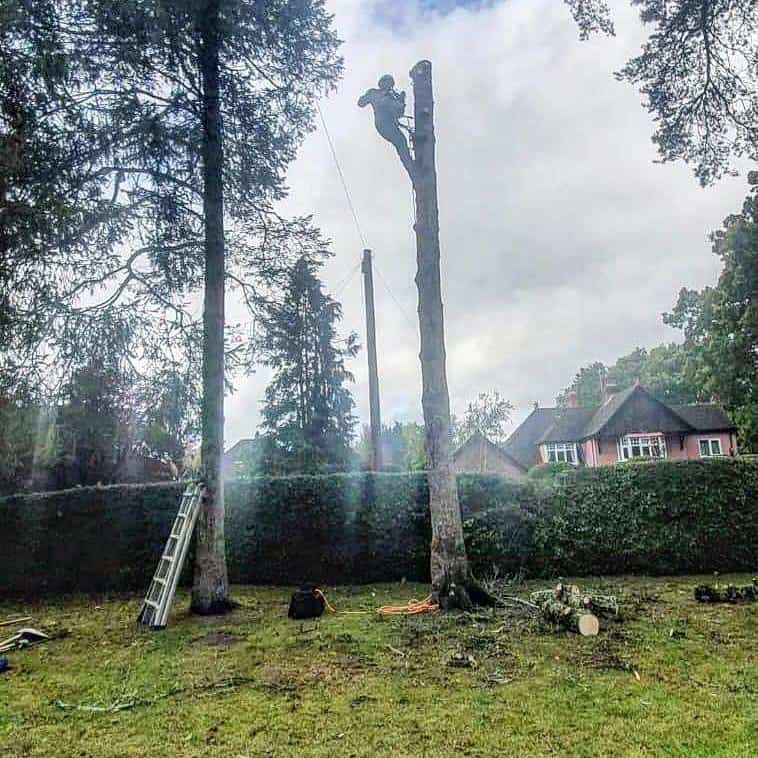
A well-maintained hedge can provide privacy, define garden boundaries and create an attractive backdrop for planting. However, without appropriate cutting, hedges can quickly become uneven, excessively wide or difficult to manage. Dense growth may also reduce light, obstruct paths and make surrounding areas feel smaller.
Professional hedge cutting is not simply about shortening the visible growth. The hedge’s species, condition, shape and growth pattern should all influence how it is maintained. For homeowners in Sherston, Gloucestershire, specialist care can keep established hedges neat and manageable while supporting healthy, balanced development.
Why Professional Hedge Cutting Is Valuable
Hedges are living features that respond differently to pruning. Some tolerate firm cutting, while others may struggle to recover if trimmed too deeply into old wood. A professional assessment helps determine how much material can be removed and which method is appropriate.
Creating a Neat and Balanced Shape
Uneven cutting can leave a hedge looking patchy or top-heavy. A professional tree surgeon works to create a consistent height, level top and straight sides while considering the hedge’s natural form.
The base should normally remain sufficiently broad to receive light and support dense growth. When a hedge becomes wider at the top than at the bottom, the lower foliage can thin out and expose bare stems.
Preventing Hedges from Becoming Unmanageable
Regular cutting controls annual growth before it develops into thick, woody branches. Once a hedge has become considerably overgrown, returning it to a suitable size may require staged work rather than one severe reduction.
Planned maintenance helps prevent:
- Growth extending across paths and driveways
- Hedges becoming excessively tall or wide
- Lower sections losing density
- Branches interfering with gates and entrances
- Large amounts of growth needing removal at once
This measured approach makes it easier to retain the hedge as a useful garden feature.
Improving Light and Usable Garden Space
An overgrown hedge can occupy a surprising amount of space. Wide sides may narrow paths, encroach on lawns or planting areas and make a compact garden feel enclosed.
Careful trimming can reclaim usable space without unnecessarily removing the hedge. Reducing excessive height or correcting an uneven profile may also allow more natural light into nearby parts of the garden.
Supporting Dense, Healthy Growth
Suitable cutting encourages many hedge species to produce fresh shoots, helping maintain a dense and even appearance. This is particularly valuable where the hedge provides screening or forms an important boundary feature.
Professional care also provides an opportunity to identify dead branches, damaged sections and areas of weak growth. These may indicate that the hedge needs more than routine trimming, especially if deterioration is concentrated in one area.
Choosing the Right Approach for the Hedge
Not every hedge should be treated in the same way. Formal hedges generally require precise, regular trimming, while informal or flowering hedges may benefit from a less rigid approach that respects their natural growth.
The correct method depends on factors such as:
- The hedge species and age
- Its current height and width
- The density of the foliage
- Previous maintenance
- The desired finished appearance
- Any dead, damaged or overcrowded growth
Understanding these details reduces the risk of excessive cutting and helps produce a more sustainable result.
Why Overgrown Hedges May Need Staged Reduction
It can be tempting to reduce a large hedge to its preferred size in one visit. However, severe cutting may leave extensive bare areas, place the plant under unnecessary stress or produce an unattractive result.
Where appropriate, a tree surgeon may recommend reducing the height and width gradually. Staged work allows the hedge to respond between visits and can achieve better coverage than an abrupt cut into older stems.
The Importance of Suitable Equipment and Technique
Tall, wide or awkwardly positioned hedges can be difficult to cut evenly from ground level. Reaching too far with unsuitable equipment often produces inconsistent lines and may leave thicker branches torn rather than cleanly cut.
Professional hedge cutting combines appropriate equipment with controlled technique. This allows the full hedge to be managed accurately, including difficult sections near walls, slopes, garden structures and narrow access points.
Keeping the Surrounding Garden Tidy
Hedge cutting can generate a substantial amount of material, particularly where growth has been left for some time. A professional service includes working carefully around lawns, borders, paths and other garden features.
Removing cuttings also makes it easier to inspect the finished hedge and identify any areas requiring further attention. The result is a cleaner garden and a hedge that looks intentionally maintained rather than simply shortened.
How Often Should a Residential Hedge Be Cut?
The ideal frequency depends on the species, growing conditions and preferred appearance. Fast-growing formal hedges may require attention more frequently, while slower-growing or informal varieties may need less regular work.
Rather than following a fixed schedule for every hedge, it is better to monitor new growth and arrange cutting before the hedge becomes difficult to control. Consistent maintenance usually produces a denser, more balanced finish than occasional heavy reductions.
Conclusion
Professional hedge cutting can improve the appearance, health and practicality of a residential garden. Correct shaping helps retain dense growth, controls excessive height and width, and prevents hedges from overwhelming paths, lawns and planting areas.
If your hedge in Sherston, Gloucestershire, has become overgrown, uneven or difficult to maintain, EM Tree Surgery Sherston can assess its condition and recommend a suitable approach. Contact the team to arrange professional hedge cutting tailored to your garden and the needs of the hedge.
Call us on: 01666 337 167
Click here to find out more about EM Tree Surgery Sherston
Click here to complete our contact form and see how we can help with your trees needs.